
Liberation Day: More Than a Treaty Signing, It Is a Celebration of Cultural Survival
Observed annually on March 3rd, Liberation Day is the national holiday of Bulgaria. It officially commemorates the signing of the 1878 Treaty of San Stefano, which concluded the Russian-Turkish War and paved the way for the re-establishment of the modern Bulgarian state after five centuries of Ottoman rule. Today, the holiday serves as a celebration of resilience, transitioning from its historical roots into a day dedicated to national pride, military tradition, and cultural continuity.
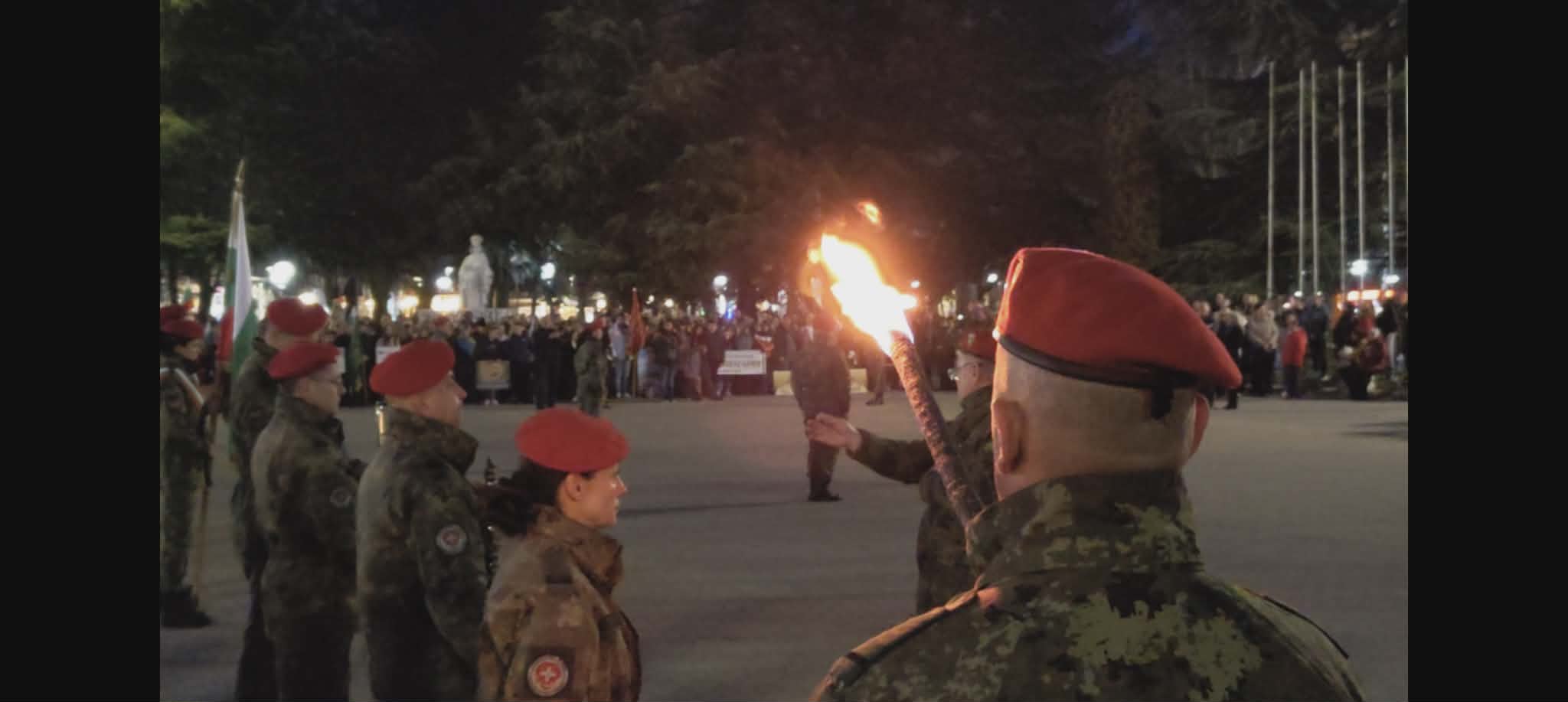
Across Bulgaria, local and regional centers follow highly structured protocols to honour the nation’s history. Here in Kazanlak, the ceremony began at 5:30 P.M. and continued for two hours, following this structure:
Honors and Flag Raising: Official observances commenced with the hoisting of the Bulgarian tricolor flag, accompanied by military honors. High-ranking dignitaries and more than 2,000 citizens of the municipality attended.
The Military Ritual: Celebrations featured a solemn military ritual (zarya-proverka) and a roll call of fallen national heroes. These solemnities concluded with commemorative fireworks that illuminated the sky to symbolise the rebirth of the nation. Do not forget the Samara Flag. This red, white, and blue banner featuring an icon of the Holy Mother was the original battle flag given to the Bulgarian volunteers (opalchentsi) and is revered as a sacred national relic during these ceremonies
You may be wondering HOW THE ROLL CALL WORKED!
The Command: The commanding officer gave the order for the “Check” (Proverka).
The Names: A designated officer called out the names of iconic national heroes—starting with Hristo Botev and Vasil Levski – along with the names of the volunteer units (opalchentsi) who fought in the Russo-Turkish War.
The Response: After the names were called, the soldiers responded in unison: “Present in the memory of the generations!” („В памет на поколенията – тук!“).
The Kneeling: This is the most solemn part – one that I truly felt – where the military unit and the gathered crowd kneel in silence to pay their respects before the fireworks (zarya) begin.
The spiritual and emotional focal point of the holiday took place at the Monument to Freedom atop Shipka Peak (around 890 stone steps) near Kazanlak. Thousands of citizens made a physical pilgrimage, climbing the monument’s steps to pay homage to the outnumbered Bulgarian volunteers and Russian troops who defended the strategic pass during the harsh winter of 1877.
Kazanlak municipality also organized public concerts featuring traditional folk music and the horo circle dance.
Because Liberation Day falls in early March, the display of the national flag is widely combined with the ancient tradition of wearing martenitsas. These red and white yarn adornments – some of which I made with Ayşe for the first time:) – symbolize health and the arrival of spring. They visually complement the flag’s colors: white for freedom, green for agriculture, and red for the blood spilled for independence.
Marwan El-Khawaga