
Training course “Civic Lab”
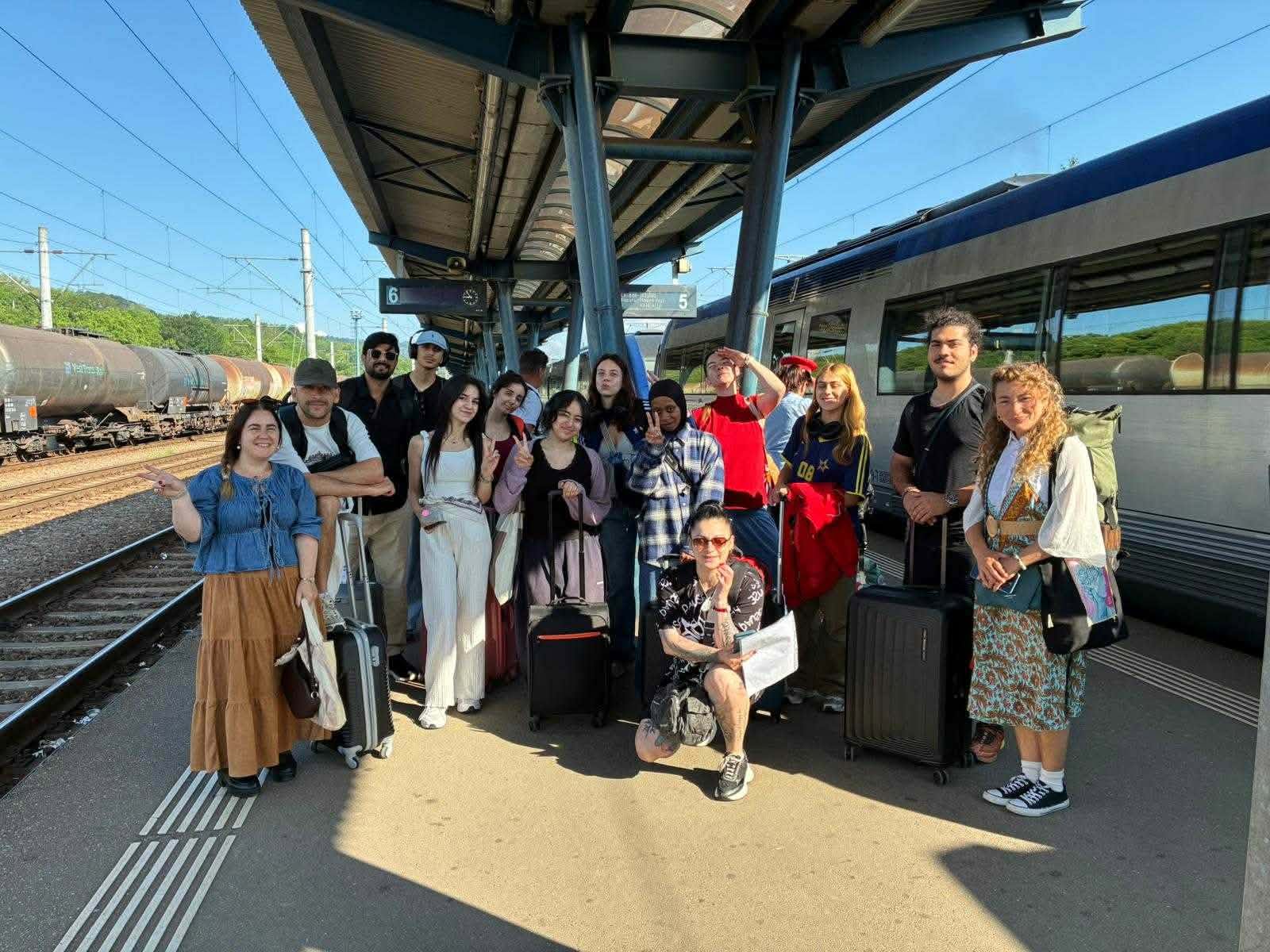
In the invisible threads of Europe that bring us together, “TOGETHER ROMANIA” united young people from eight European countries in an international training course under the Erasmus+ program. Bulgaria was represented by United Avantgarde Artist and YDCMA. The Romanian non-governmental organization organized an eight-day non-formal training called “Civic Lab” in the form of a creative workshop filled with new knowledge, practical activities, and interactive learning methods in an intercultural environment in Romania. Young people, students, and youth workers from Bulgaria, Romania, Slovakia, Poland, France, Spain, Italy, and Greece exchanged experiences, developed new skills, and built partnerships for future international initiatives. Throughout the entire program, participants were guided by four international facilitators who, through modern non-formal educational methods, encouraged active participation, intercultural dialogue, and teamwork.
The project took place amidst the beautiful natural surroundings of the Carpathians, which was not a coincidental choice. This mountain range divides Central Europe and stretches across the territories of the Czech Republic, Slovakia, Poland, Ukraine, Hungary, Romania, and Serbia.
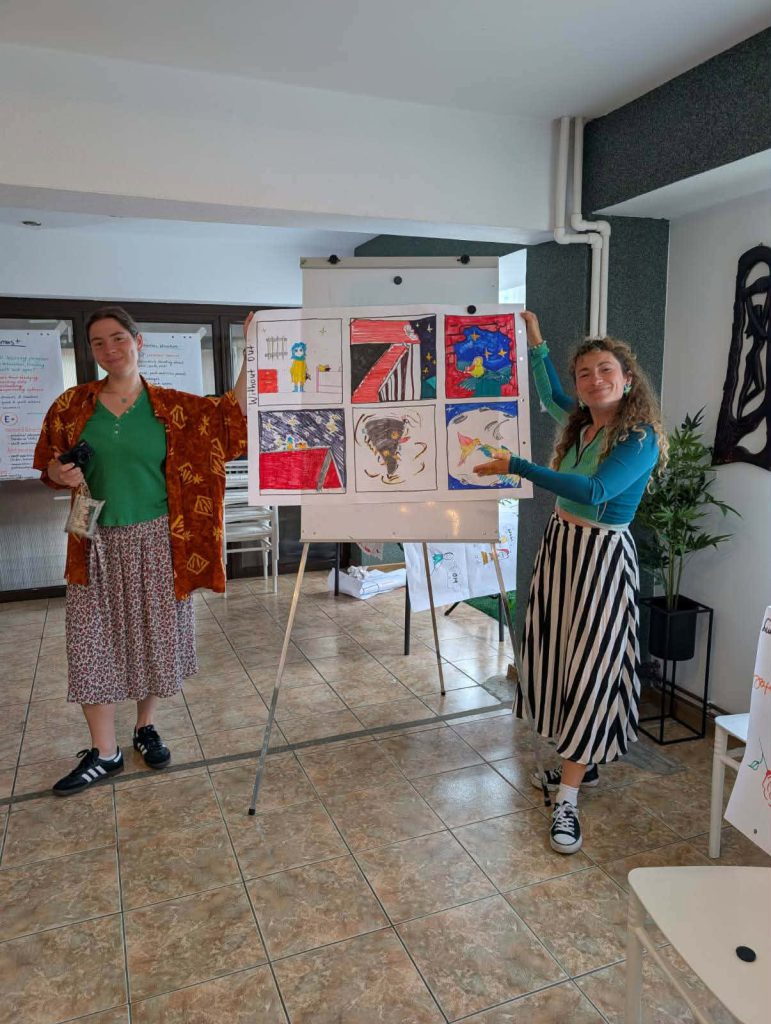
Among the main new competencies that participants acquired were teamwork skills, as well as the development and real planning of ecological and social projects for the benefit of the community. Bulgarian participants shared: “We learned how to be creative, but also how to build a sustainable plan for realizing our ideas. Particular attention was paid to new technologies and the possibilities of artificial intelligence. We were encouraged to use AI as a tool without concerns or prejudices, while at the same time developing critical thinking and distinguishing reliable information from automatically generated texts, images, and speech. In addition, we consolidated and mastered various practical methods for working with available physical materials—flipcharts, graphic elements, and other visual aids. No less important part of the international exchange were the cultural evenings. It was then that one realizes how different we are as nations, but also how much alike we are—both in our myths and traditions, and in the way we look toward the future. There exists an invisible thread between us that connects us. Such projects show us that together we can do more, that we can create, be bold, and realize our ideas because there are always people who believe in cooperation and mutual support. Besides the valuable knowledge and practical skills, our stay in Romania gave us the opportunity to make new friends. We had the chance to experience Romanian culture through a visit to the nearly 30-year-old cultural center in Câmpina. At the end of the training, the young people laid the foundations for future international partnerships, as each participant presented the organization they belonged to and discussed joint projects, while those who already knew each other strengthened their international contacts.”
The “Civic Lab” project and its implementation were yet another proof that the Erasmus+ program does not simply create opportunities for education, but builds a community of active young people ready to change the environment around them.