From Fortresses to Falls: Uncovering the Medieval Magic of Veliko Tarnovo
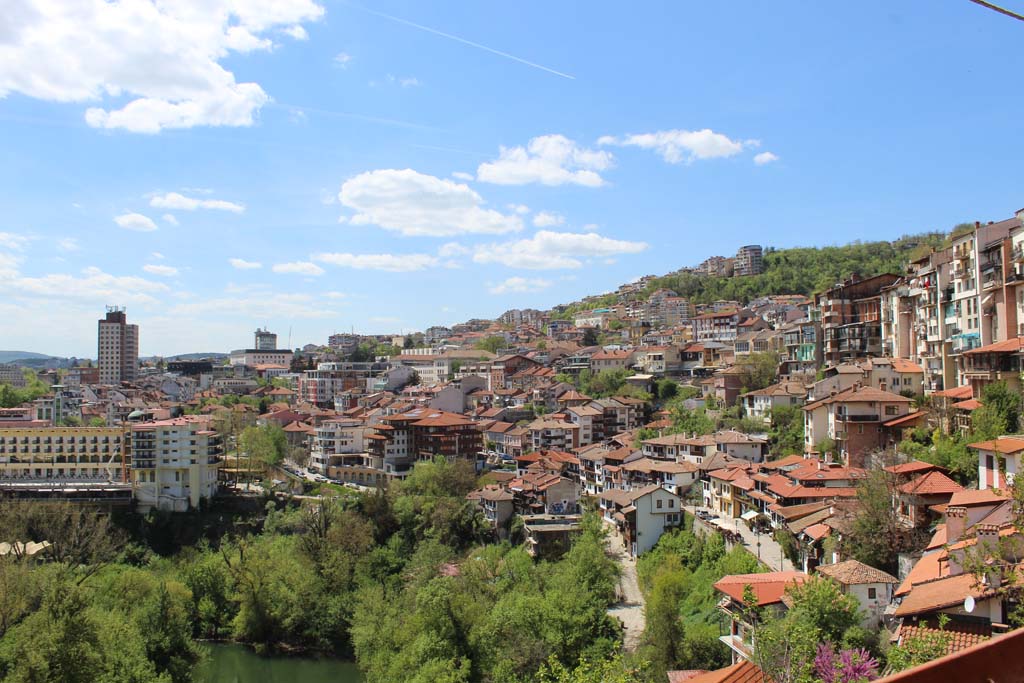
Welcome to Veliko Tarnovo, a city that defies gravity as its homes cling desperately to the steep slopes above the meandering Yantra River. Walking into this city feels like stepping straight into a medieval painting.
For over two centuries, between 1185 and 1396, this wasn’t just a picturesque mountain town, it was the beating heart of the Second Bulgarian Empire. Known back then as a cultural and economic powerhouse, its splendor was frequently compared to Rome and Constantinople. Looking at past photo, it’s easy to see how the natural defenses of the river and the cliffs made it an ideal capital, keeping royal secrets safe while offering a breathtaking canvas for the architecture that now defines its skyline.
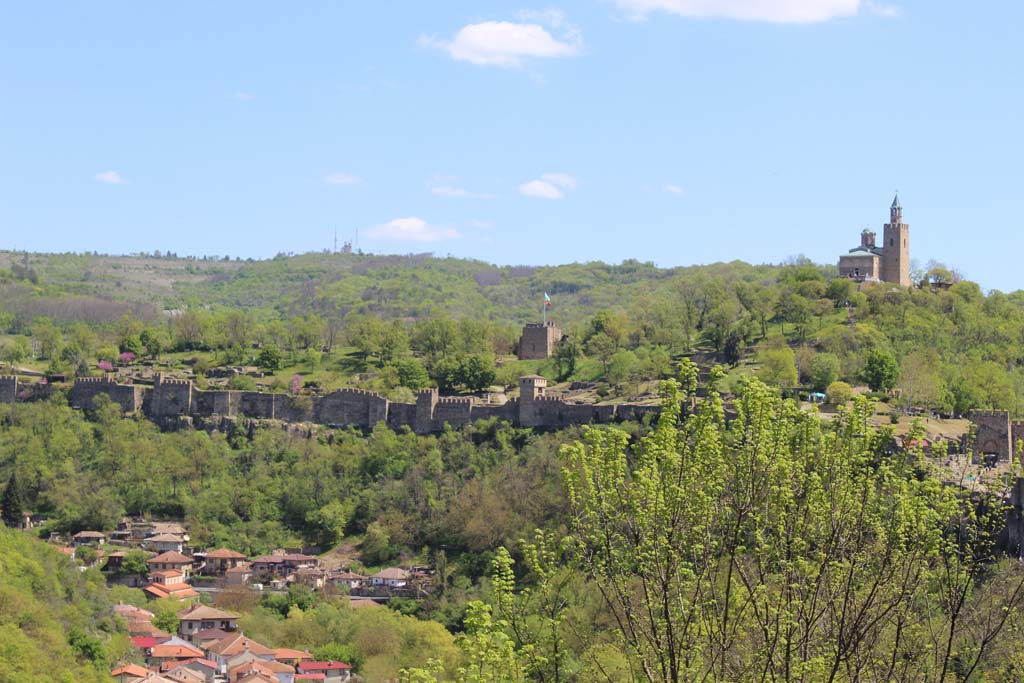
No trip to Veliko Tarnovo is complete without storming the gates of Tsarevets Fortress, the epicenter of medieval Bulgarian power. This massive stronghold is ringed by thick stone walls that reach up to 12 feet high, an intimidating sight for any would-be conqueror.
For hundreds of years, this very hill housed the royal palaces where legendary figures like Kings Petar, Asen, and Kaloyan ruled over their sprawling empire. As I approached the main gate, which featured a formidable draw-bridge, I couldn’t help but imagine the clashing of swords and the bustling lives of the thousands of people from royalty to common craftsmen who once called this fortified city home
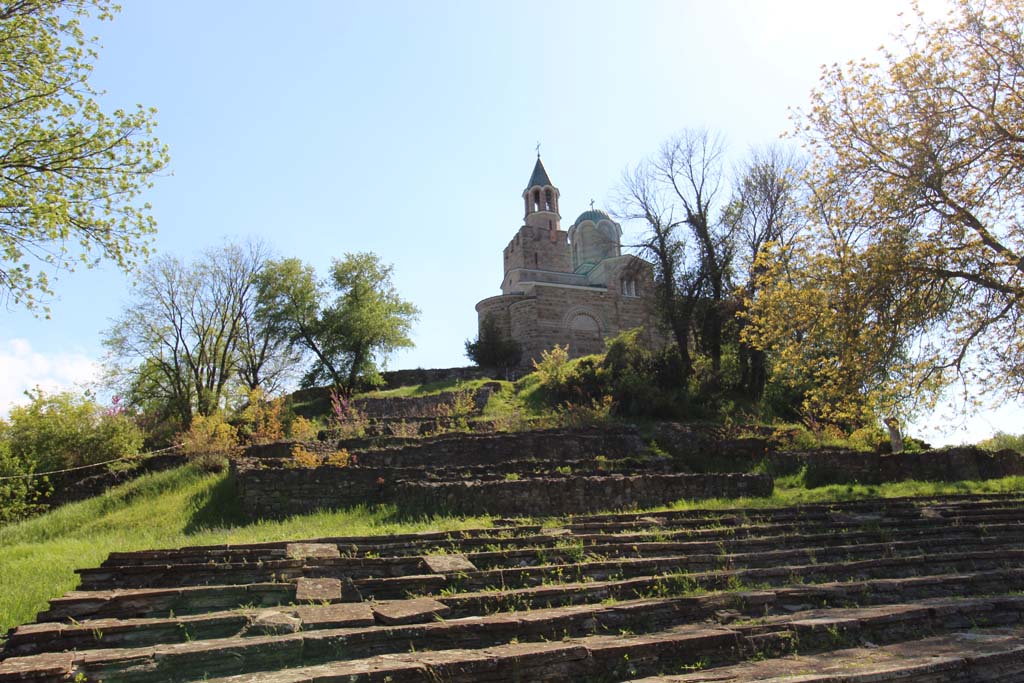
At the absolute pinnacle of the Tsarevets fortress stands the Patriarchate, the spiritual core of the Second Bulgarian Empire. Historically. While the Cathedral of the Ascension of the Lord we see today is a reconstruction completed in 1981, it sits squarely on the remains of a late Roman basilica. Stepping inside, you aren’t greeted by traditional, somber Orthodox icons. Instead, you’ll find striking, modernist frescoes painted in 1985 that depict the glorious highs and tragic lows of Bulgarian history
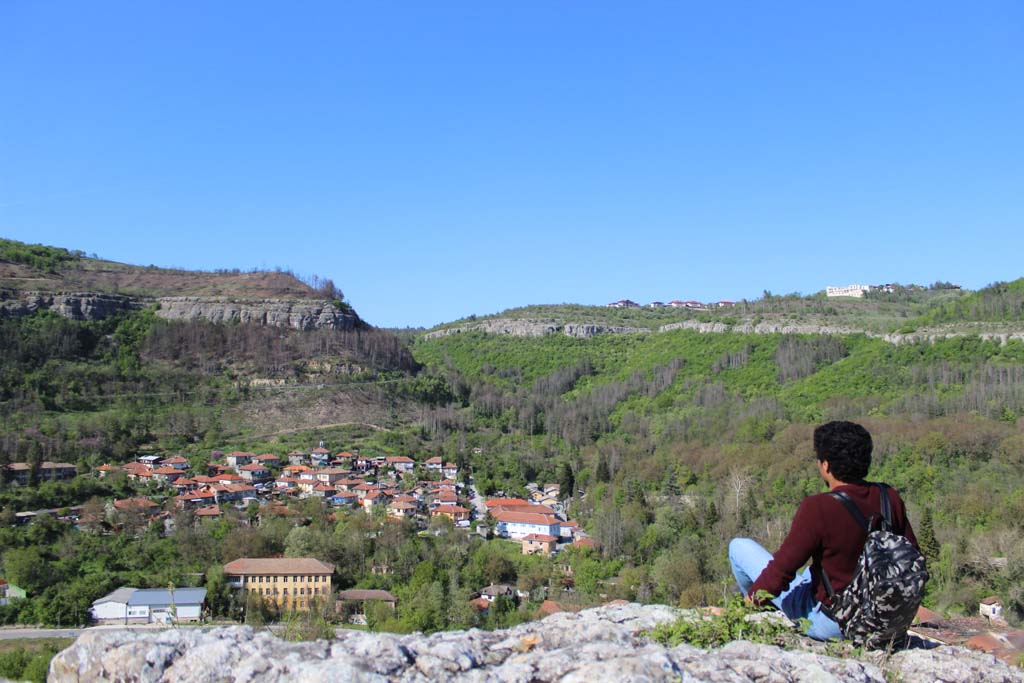
Standing on the ancient ramparts of Tsarevets, the view over the Yantra River is nothing short of spectacular, but these cliffs hold a dark and fascinating history. The sheer drop provided the perfect natural defense, but it also served a much more gruesome purpose. Nearby is the infamous “Execution Rock,” a sheer outcropping where medieval traitors were mercilessly pushed to their deaths, their bodies tumbling into the cold river below. In the year 1300, even the powerful Patriarch Joachim met his end here, executed by Tsar Theodore Svetoslav.
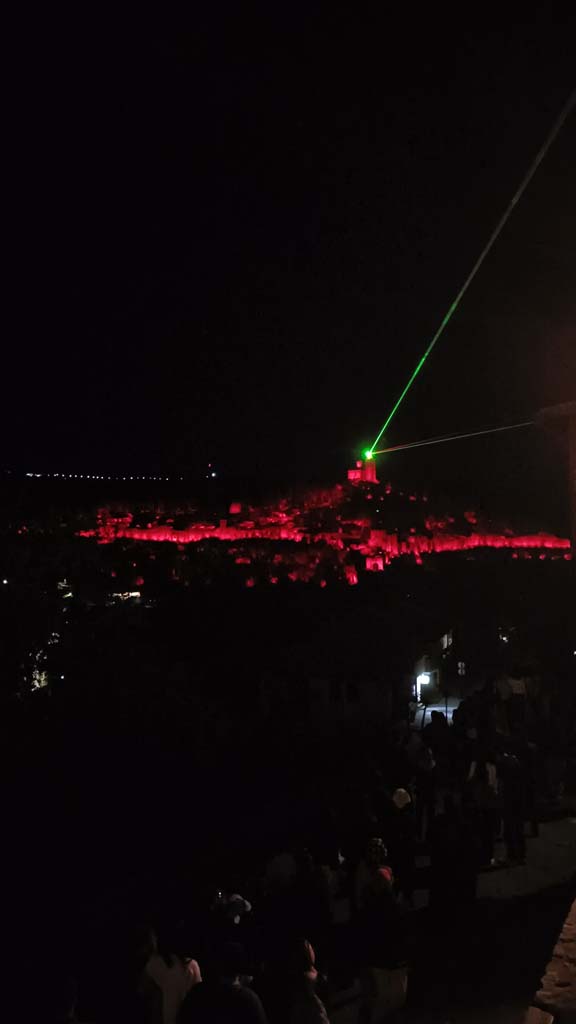
When the sun sets, the violent end of the Bulgarian Empire is brought back to life through the incredible “Sound and Light” show.
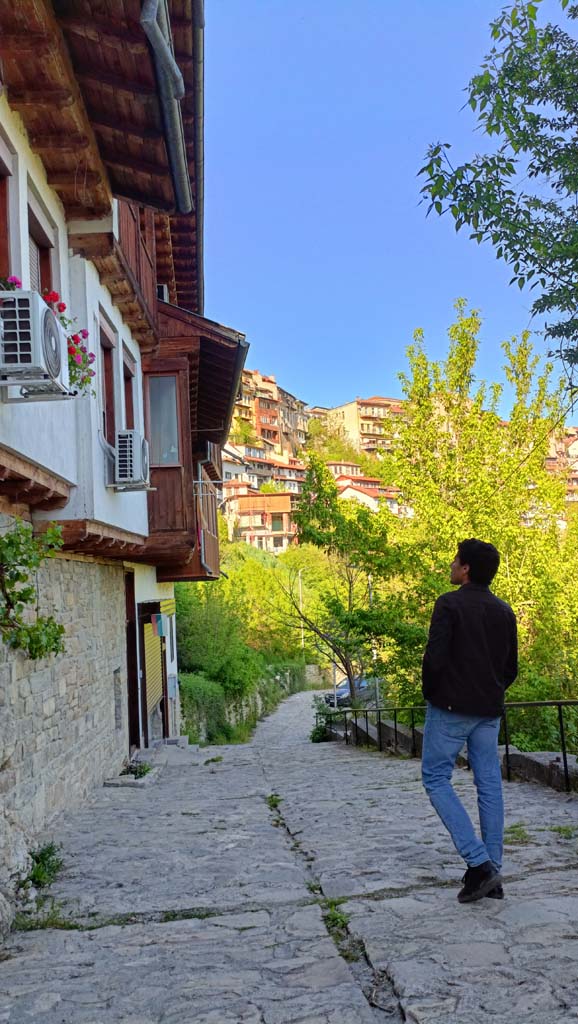
Leaving the fortress behind, I wandered into the Varusha district, an area that feels wonderfully lost in time. The steep, uneven cobblestones guide you past stunning Bulgarian Revival-style houses that seem to peek out from every corner, stacked on the hills like a grand amphitheater.
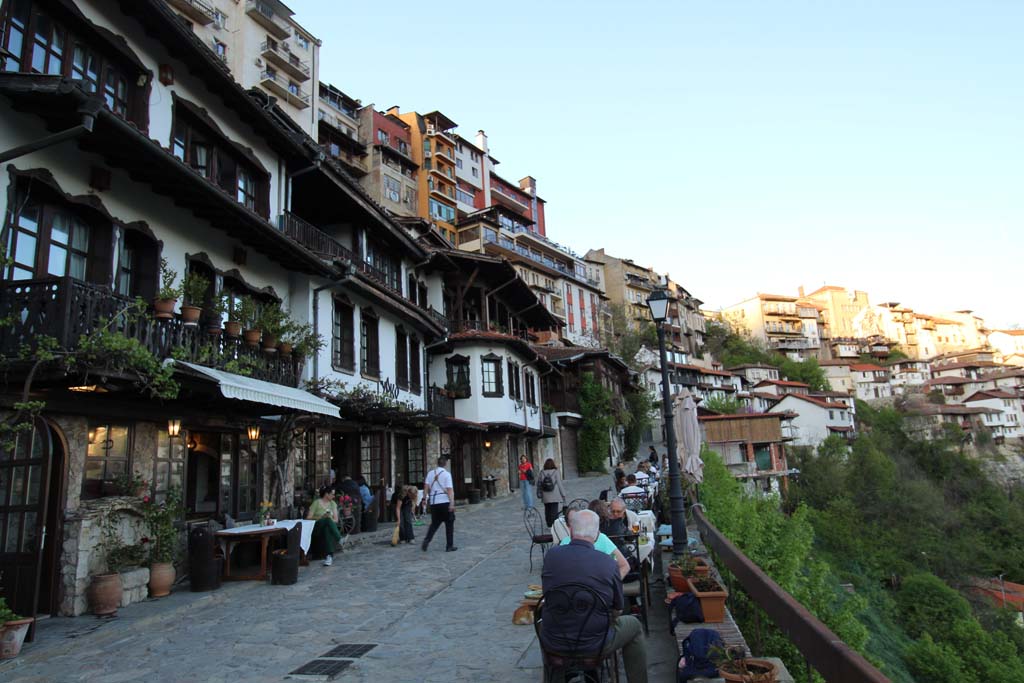
All that walking works up quite an appetite, which led me to my first of three visits to The same Restaurant 😊. Nestled right along the historic streets with a terrace overlooking the sprawling valley, it offers the perfect vantage point to appreciate the city’s architecture.
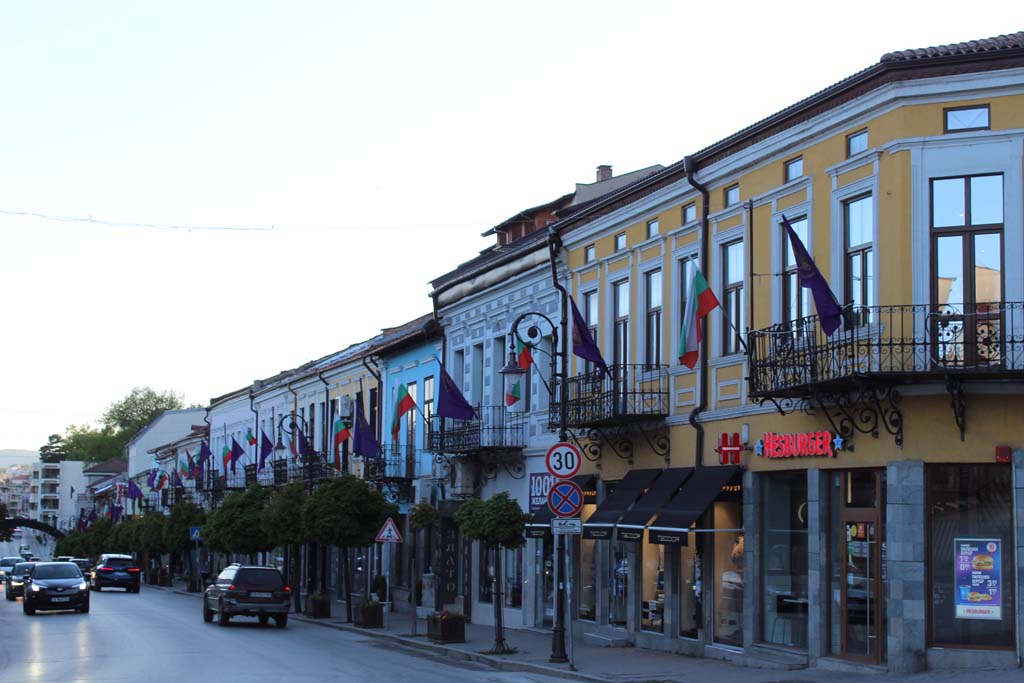
Veliko Tarnovo isn’t just a museum; it is a living, breathing city that balances its ancient heritage with modern life. Walking along the main thoroughfares, you can see beautifully maintained, colorful Revival-style buildings proudly flying the Bulgarian flag.
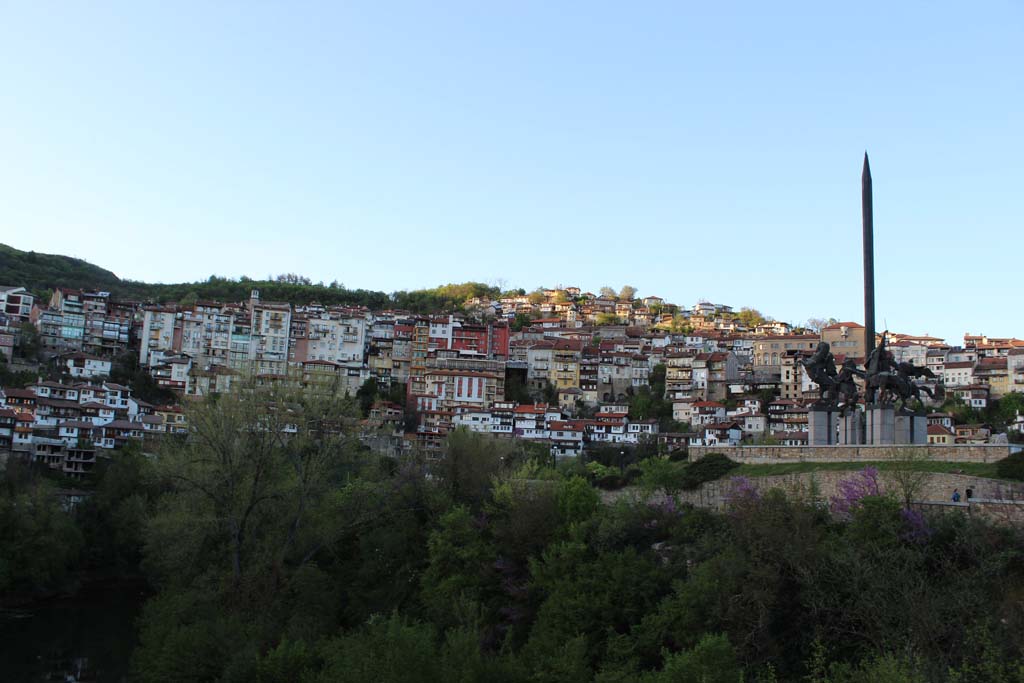
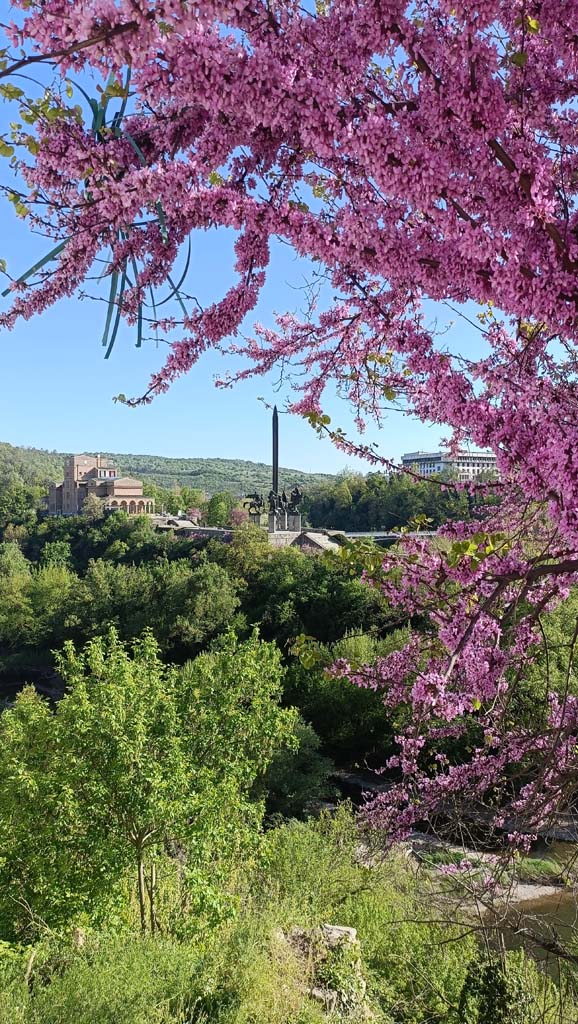
Springtime in Veliko Tarnovo brings vibrant pink blossoms that perfectly frame one of the city’s most impressive modern landmarks: the Asen’s Monument. Built to commemorate the 800th anniversary of the Second Bulgarian Kingdom, this massive structure dominates the skyline above the river. The monument honors the four Asen brothers—Ivan, Peter, Kaloyan, and Asen II—who led a fierce rebellion against the Byzantine Empire in 1185, establishing a dynasty that ruled for a century.
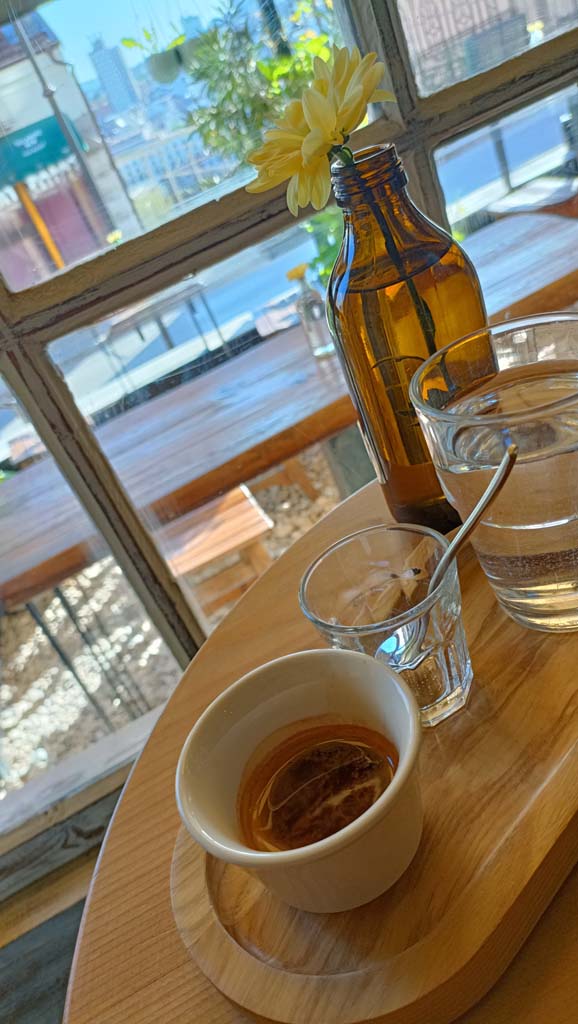
I decided to escape the afternoon sun and grab a coffee by the window. Taking a break here is a chance to reflect on the sheer density of history packed into this small town.
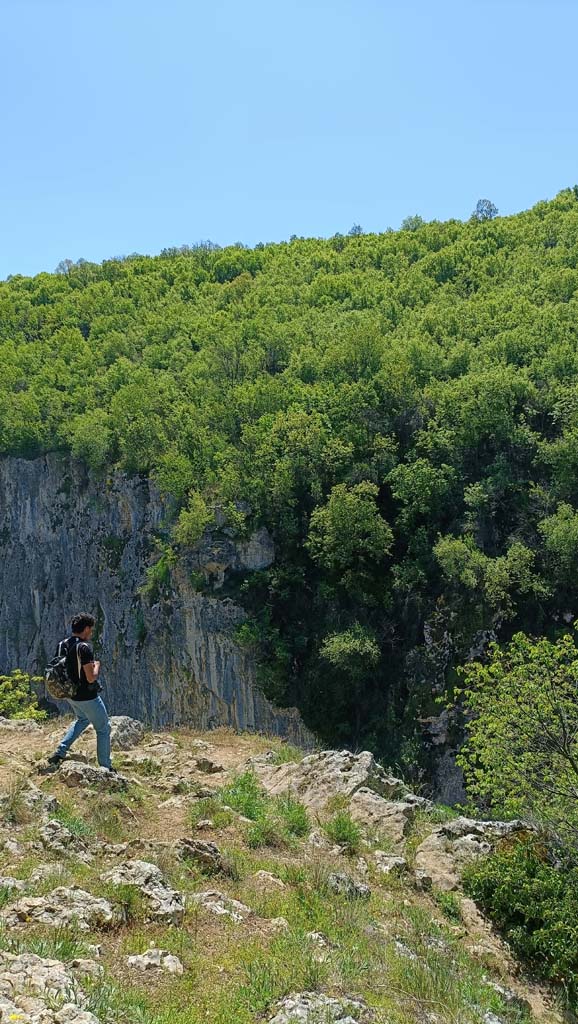
Next Day was around the city, I went with my French friends just 20 kilometers west of the city lies Emen Canyon, a natural wonder that feels worlds away from the medieval fortresses. The adventure begins on the Emen eco-trail, one of the very first of its kind built in Bulgaria. The 6-kilometer roundtrip path follows the Negovanka River, which over millennia has carved a dramatic gorge with sheer limestone cliffs dropping 90 meters down. Walking along the edge of this canyon, surrounded by lush vegetation and the cool, humid air, it almost feels like stepping into a tropical jungle.
Let’s see the waterfall itself,
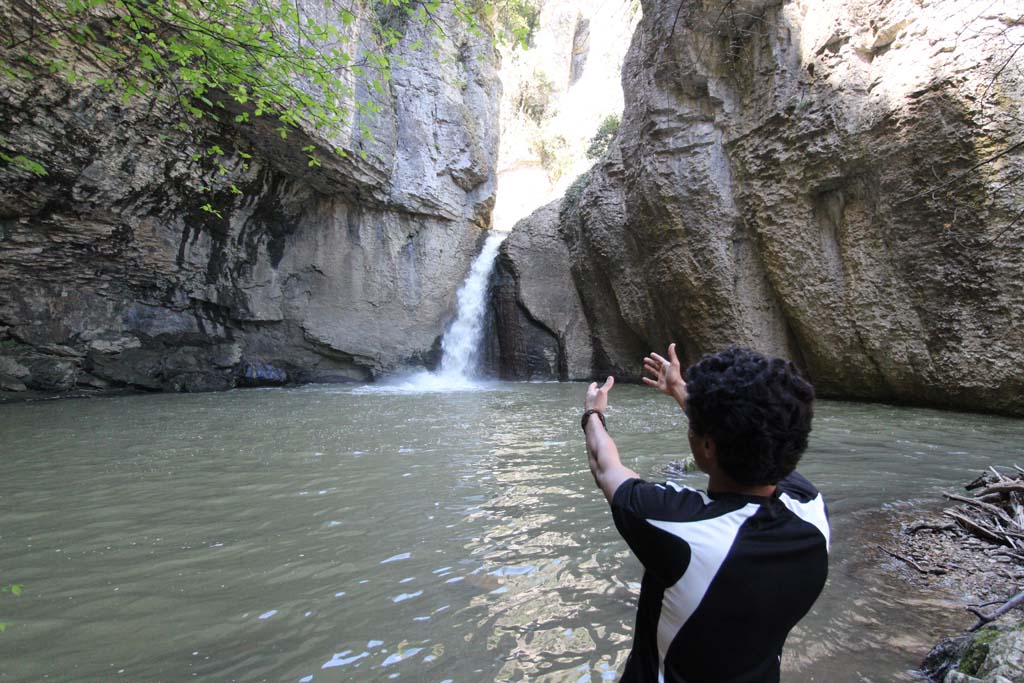
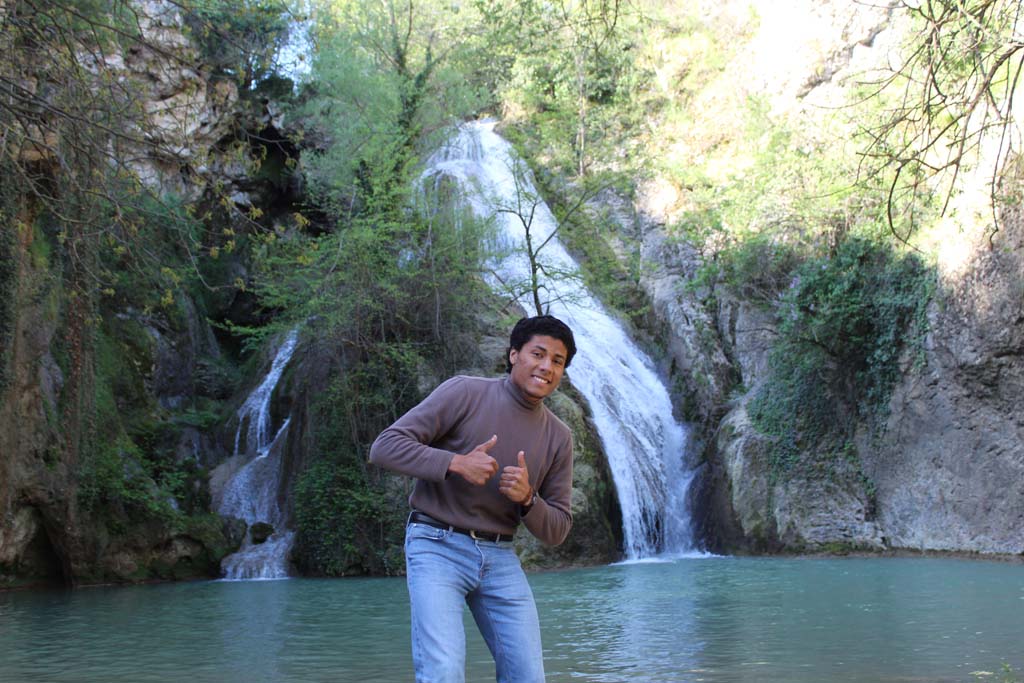
Another short drive from the city brings you to the crown jewel of the region’s natural sites: the Hotnitsa Waterfall. Plunging an impressive 30 meters, it is the highest waterfall in the Veliko Tarnovo area. The Bohot River carves a small, striking canyon before crashing down into a mesmerizing, thirst-quenching blue-green lake. Also known as Kaya Bunar meaning “spring in the rock”. This waterfall flows year-round, offering an incredible escape into nature.