
Experiencing Sirni Zagovezni as a Turkish Observer
Last Sunday evening, on 22 February, I experienced the traditional Bulgarian celebration of
Sirni Zagovezni in Kazanlak for the first time. It was a powerful and emotional experience for
me.
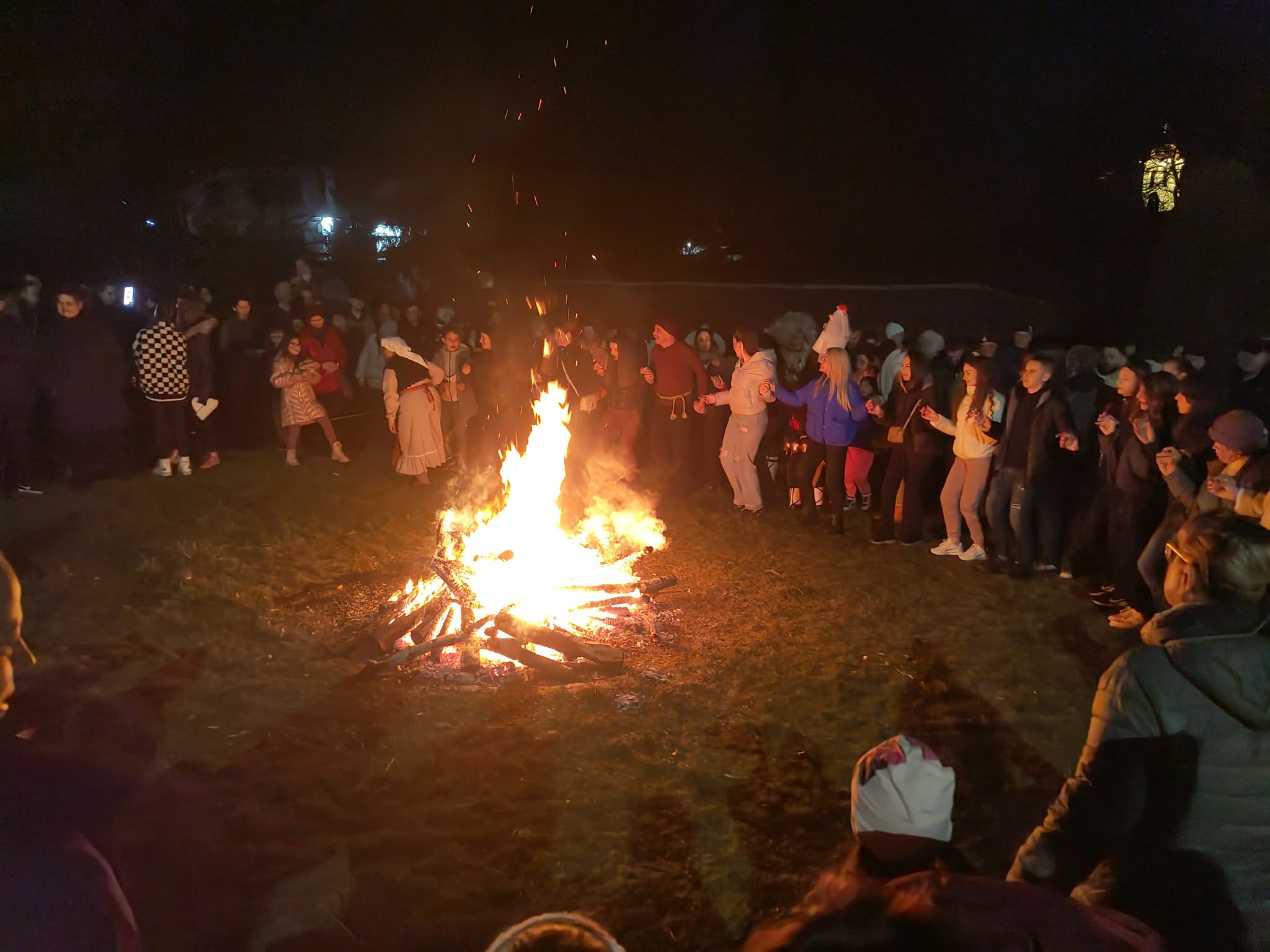
In the evening, people gathered outside and lit a large fire. Everyone stood around it, talking,
laughing and waiting for the rituals to begin. Later, traditional music started to play and
people danced together around the fire. The atmosphere was both joyful and meaningful. At
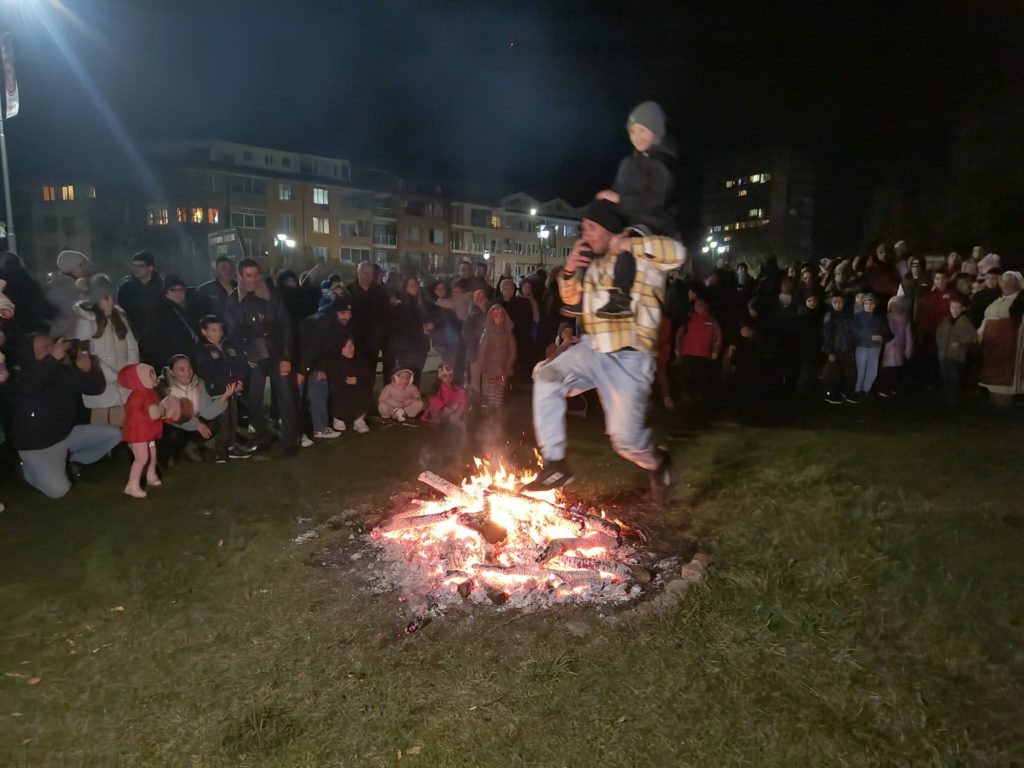
the end of the night, people jumped over the fire. It is believed that this ritual cleans away
negative energy and brings health and good luck.
As a Turkish person, this celebration reminded me of Nevruz in Turkiye. During Nevruz,
people also light fires and jump over them to symbolize renewal and purification. Seeing
these similarities made me feel closer to the culture. It showed me how different societies
can share similar traditions and values.
One part of Sirni Zagovezni that impressed me deeply was the tradition of asking elders for
forgiveness. Young people ask older family members to forgive them before the beginning of
Lent. I found this very touching and meaningful. In modern life, we sometimes forget to say
sorry or to express respect. This tradition keeps that emotional connection alive.
While I was standing near the fire, I looked at the adults around me and imagined them as
children many years ago, feeling the same excitement during this celebration. I thought
about how traditions connect generations. The most beautiful part of keeping traditions alive
is that they allow people to remember their childhood and relive those emotions again.
As the fire slowly began to fade, I realized that the real warmth of the evening did not come
only from the flames, but from the emotions shared around it. Watching the adults smile, I
imagined them as children many years ago, feeling the same excitement. At that moment, I
understood that traditions survive because they protect something very precious: the
memory of being a child. Even though cultures may have different names and histories, they
often speak the same symbolic language. A language of fire, renewal, forgiveness, and
connection. That night, I did not feel like an outsider observing a different culture; I felt part of
a shared human story.
Ayse Osmanli
Long Term ESC Volunteer in Kazanlak
with hosting organization YDCMA